
Understanding RAM and ROM in Smart TVs
Time: 2024-05-24 13:40:12
Click:
Understanding RAM and ROM in Smart TVs is crucial for making informed purchases. RAM (volatile memory) impacts performance, enabling smooth app operation and multitasking, while ROM (non-volatile memory) stores the operating system, apps, and user data. Different capacities affect user experience.Choose based on your usage needs for optimal performance.
As smart TVs become more popular, understanding the technical specifications can help you make an informed purchase. Two critical components are RAM (Random Access Memory) and ROM (Read-Only Memory). This article will explain the differences between these types of memory and their roles in smart TVs.
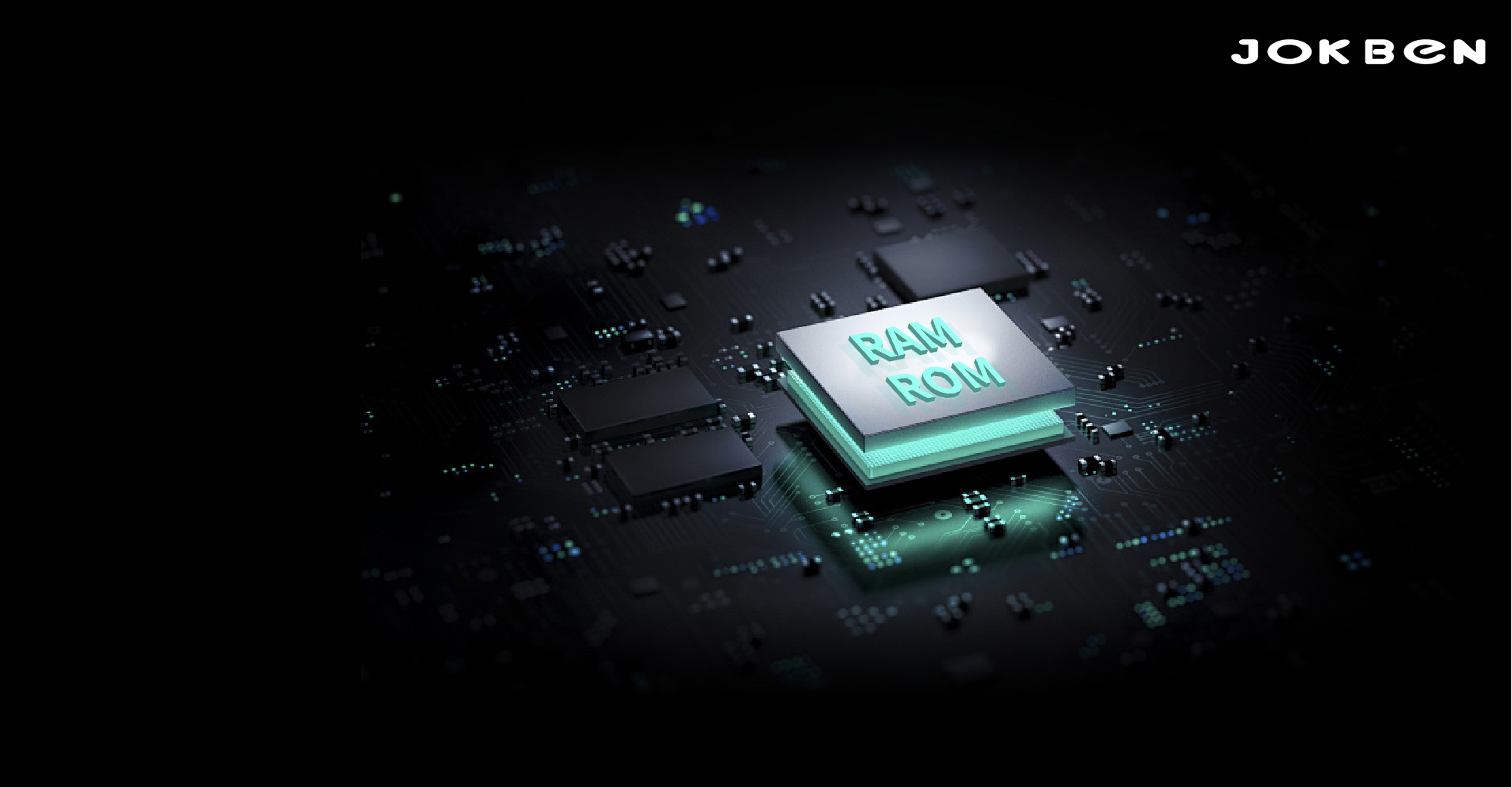
What is RAM?
RAM, or Random Access Memory, is a type of volatile memory that temporarily stores data for quick access. In smart TVs, RAM plays a crucial role in:
Running Applications: RAM allows the TV to run apps smoothly without lag.
Caching Data: It stores temporary data to speed up processes.
Enhancing Multitasking: More RAM enables the TV to handle multiple tasks simultaneously without performance drops.

Different RAM capacities impact the user experience significantly:
1GB RAM: Suitable for basic functions and light app usage.
2GB RAM: Provides a better experience for standard smart TV functions.
4GB RAM and above: Ideal for heavy usage, gaming, and advanced applications.
What is ROM?
ROM, or Read-Only Memory, is non-volatile memory used for permanent storage. In smart TVs, ROM is essential for:
Storing the Operating System:The TV’s OS is stored in ROM.
Installing Applications: Apps and user data are saved here.
Saving User Data: Preferences, settings, and downloaded content are stored in ROM.

Different ROM capacities also affect the user experience:
8GB ROM: Suitable for basic usage with limited app installations.
16GB ROM: Offers more space for apps and media.
32GB ROM and above: Best for users who download many apps and store large media files.
Differences Between RAM and ROM
While both are types of memory, RAM and ROM serve different purposes:
Technical Differences: RAM is volatile and used for temporary storage, while ROM is non-volatile and used for permanent storage.
Functionality: RAM affects the speed and responsiveness of the TV, whereas ROM determines how much content you can store.
Impact on Performance: More RAM means better multitasking and faster performance. More ROM means more space for apps and media.
How to Choose the Right Smart TV for You
Selecting the right TV depends on your needs:
For Family Entertainment: A TV with 2GB RAM and 16GB ROM is usually sufficient.
For Advanced Gaming: Consider a model with at least 4GB RAM and 32GB ROM.
For Daily Use: A TV with 1-2GB RAM and 8-16GB ROM should suffice.
For High-Demand Applications: Look for higher RAM and ROM to ensure smooth performance and ample storage.
Here are some practical recommendations:
Casual Users: 1-2GB RAM and 8-16GB ROM.
Tech Enthusiasts: 3-4GB RAM and 32GB ROM or more.
Frequently Asked Questions (FAQ)
1.How to check the memory configuration of my smart TV?
Usually, you can find this information in the settings menu under 'About' or 'System Information.'
2.What to do if memory is insufficient?
Consider uninstalling unused apps, clearing cache, or using external storage if supported.
3.How does memory capacity affect future use?
Higher capacity ensures the TV can handle future updates and new applications without slowdowns.
Jokben smart TVs prioritize practicality. The 1GB operational memory ensures that common tasks—such as switching channels, adjusting settings, and launching apps—are quick and responsive.Meanwhile, the ample 8GB storage memory accommodates your favorite apps, photos, and videos, making it ideal for everyday use.

Understanding the importance of RAM and ROM in smart TVs can help you choose a model that fits your needs. Consider your usage habits and opt for a TV with adequate memory to ensure a smooth and enjoyable viewing experience.


 E-mail:sales@jokbentv.com
 Telephone:+86 18559895619
 Working Hours: 8:30am-17:30pm (UTC+8)
